
Why Are Board Members Not Comfortable with IT Risk?
Follow the article to know more about how you can bring more comfort across your C-suite stakeholders.
Syndect
6/27/20242 min read
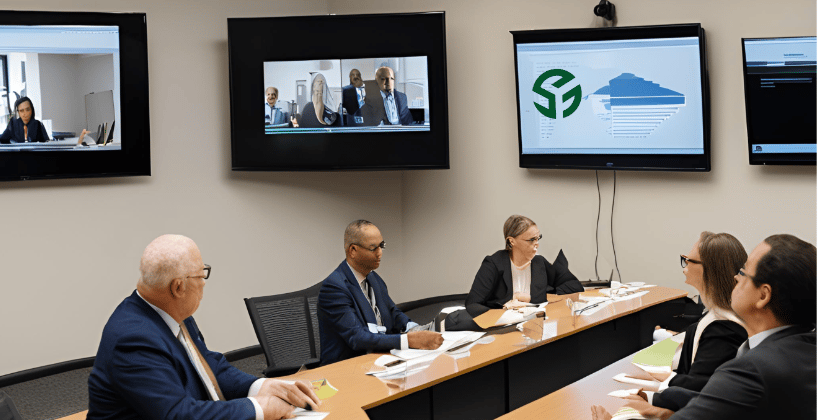

In today's digital era, IT risk is a critical concern for organizations. However, many board members often feel uncomfortable and challenged when addressing IT risk. Here are several key reasons why this discomfort exists:
Lack of Technical Expertise:
Many board members come from diverse professional backgrounds such as finance, marketing, or operations, and may not have in-depth technical knowledge.
The complexity of IT systems, cybersecurity threats, and evolving technologies can be overwhelming for those without a technical background.
Rapidly Changing Landscape:
The IT environment changes rapidly with new technologies, threats, and regulatory requirements emerging frequently.
Keeping up-to-date with these changes can be difficult for board members who are not deeply involved in day-to-day IT operations.
Complexity of IT Risks:
IT risks are often complex and multifaceted, involving various aspects like cybersecurity, data privacy, operational disruptions, and compliance.
Understanding the full scope and interdependencies of these risks requires specialized knowledge and experience.
Technical Jargon:
IT discussions often involve technical jargon and acronyms that can be confusing for non-technical board members.
This can create a communication gap between IT professionals and the board, leading to misunderstandings and discomfort.
Perceived Low Relevance to Business Strategy:
Some board members may perceive IT risks as less relevant to the core business strategy and financial performance.
This can result in a lower prioritization of IT risk discussions and investments compared to other business risks.
Fear of the Unknown:
The potential consequences of IT risks, such as data breaches, financial losses, and reputational damage, can be intimidating.
The fear of not fully understanding these risks and their potential impact can cause discomfort and reluctance to engage deeply in IT risk management.
Inadequate Reporting and Metrics:
IT risk reporting to the board may not be presented in a clear, concise, and actionable manner.
Without adequate metrics and dashboards, it can be challenging for board members to assess IT risk effectively.
Addressing the Discomfort
To address these challenges and improve board members' comfort with IT risk, organizations can take several steps:
Education and Training: Provide ongoing education and training sessions on IT risk and cybersecurity for board members.
Simplified Communication: Ensure that IT risk reports are clear, concise, and free of unnecessary technical jargon.
Expert Advisors: Include IT and cybersecurity experts on the board or as advisors to bridge the knowledge gap.
Regular Updates: Keep the board informed about the latest developments in IT risk and the measures being taken to mitigate them.
Strategic Alignment: Highlight the relevance of IT risk to overall business strategy and performance to ensure it is given the appropriate priority.
By addressing these issues, organizations can help board members become more comfortable and proactive in managing IT risks, ultimately leading to better-informed decision-making and stronger overall governance.